


Call us now
08071793640
Magnesium (Liquid)
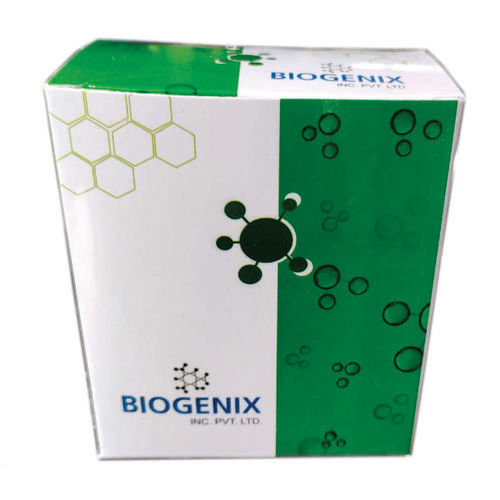

Magnesium (Liquid) Trade Information
- Minimum Order Quantity
- 1000 Milliliters
- Payment Terms
- Cash Advance (CA), Cash in Advance (CID)
- Supply Ability
- 100000 Milliliters Per Week
- Delivery Time
- 7 Days
- Sample Policy
- If order is confirmed we will reimburse the sample cost
- Main Domestic Market
- All India
About Magnesium (Liquid)
Magnesium is the second more abundant intracellular cation of the human body after potassium, being essential in great number of enzymatic and metabolic processes. Is a cofactor of all the enzymatic reactions that involve the ATP and comprises of the membrane that maintains the electrical excitability of the muscular and nervous cells. A low magnesium level is bound in malabsorption syndrom, diuretics or aminoglucoside therapy; hyperparathyroidism or diabetic acidosis. Elevated concentration of magnesium is bound in uremia, chronic renal failure, glomerulonephritis. Addisons disease or intensive anti acid therapy 1, 4, 5. Clinical diagnosis should not be made on a single test results; it should integrate clinical and other laboratory data.
Exceptional Chemical Purity for Industrial Applications
Our liquid magnesium delivers a minimum purity of 99%, making it ideal for demanding laboratory and industrial scenarios. As an essential material, it is commonly used in metallurgical processes, specialized chemical syntheses, and in the production of high-performance alloys. Every batch is exported and supplied from India, ensuring consistent quality and reliability.
Safe Storage and Handling Precautions
Magnesium (Liquid) demands careful storage at room temperature in tightly sealed bottles owing to its reactivity with water and classification under Hazard Class 4.3. It does not emit an odor and requires safety protocols to be strictly observed during handling, transport, and use to prevent hazardous reactions.
FAQs of Magnesium (Liquid):
Q: How should Magnesium (Liquid) be stored to maintain its quality and stability?
A: Magnesium (Liquid) should be stored in tightly sealed bottles at room temperature, away from moisture. Contact with water must be strictly avoided as the product reacts dangerously when wet, in line with its Hazard Class 4.3 classification.Q: What are the primary industrial applications of Magnesium (Liquid)?
A: This product is widely used in metallurgical processes, specialty chemical manufacturing, and the development of high-performance magnesium alloys due to its high purity and reactive nature. It is suitable for both laboratory and broader industrial settings.Q: When should Magnesium (Liquid) be replaced or disposed of?
A: Magnesium (Liquid) has a shelf life of 12 months from the date of manufacture. It should be replaced or properly disposed of after this period to guarantee optimal performance and safety.Q: Where is this Magnesium (Liquid) manufactured and supplied from?
A: The product is manufactured, supplied, and exported from India, ensuring stringent quality controls throughout the production and bottling process.Q: What processes require the use of liquid magnesium, and why?
A: Liquid magnesium is utilized in processes that involve the creation of specialized alloys, chemical syntheses, and laboratory research due to its high reactivity and purity, which facilitate efficient and controlled reactions.Q: How should Magnesium (Liquid) be handled safely in the laboratory or industry?
A: Safety protocols demand dry, well-ventilated environments and non-reactive tools when handling the product. Personal protective equipment, including gloves and goggles, is essential to prevent accidental contact and exposure to moisture, reducing the risk of hazardous reactions.Q: What is the main benefit of using Magnesium (Liquid) with an assay of minimum 99%?
A: A minimum 99% assay ensures highly reliable and consistent results in industrial and laboratory applications, while minimizing impurities that could affect chemical performance or interfere with sensitive processes.
Price:
- 50
- 100
- 200
- 250
- 500
- 1000+

More Products in Clinical Biochemistry Kit Category

GST : 09AAGCB6941G1ZJ

 Send Inquiry
 Send Inquiry
 Send SMS
 Call Me Free
Developed and Managed by Infocom Network Private Limited.

